
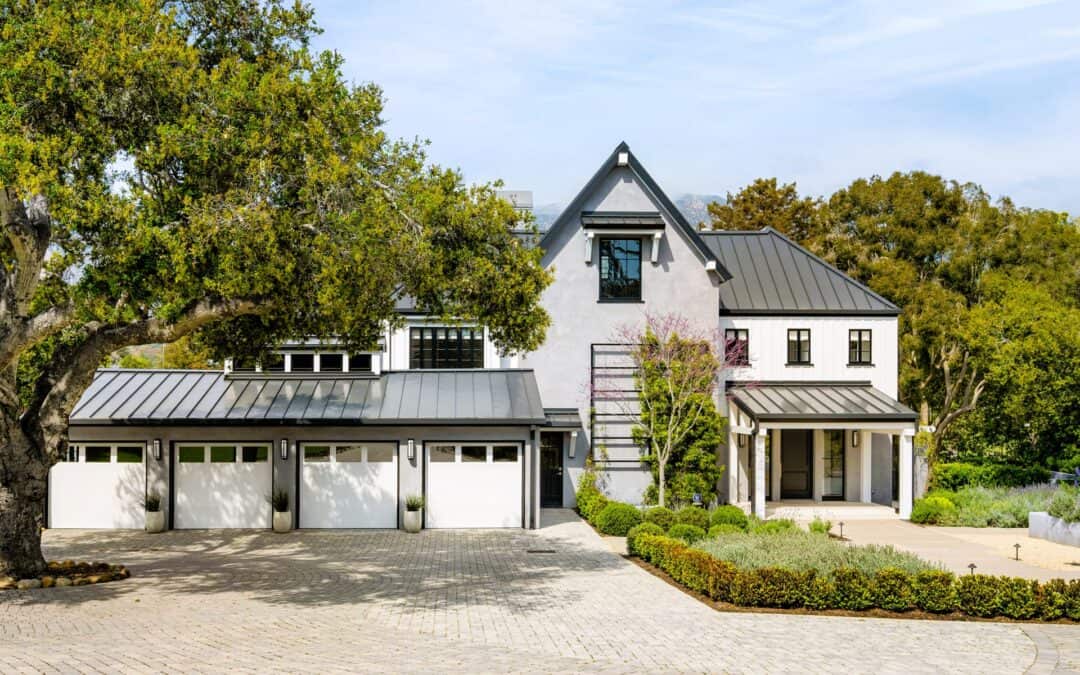
A higher homeowners insurance renewal can surprise a careful homeowner, especially when the house has not changed much and no major claim was filed. A homeowners insurance rate may increase because insurers weigh rebuilding expenses, claims history, roof condition, weather exposure, deductibles, coverage amounts, and changing insurance-market costs when calculating premiums. Several of those factors can shift at once, which is why a seemingly unexplained increase may have more than one cause. Jessica Boesch Dragon, principal agent at Dragon Insurance Agency, describes part of her role as helping clients “simplify the complexities of insurance,” useful advice when a renewal contains several numbers and coverage changes that deserve a closer look.
- Personal claims are only one part of homeowners insurance pricing.
- Property condition and rebuilding expenses can influence premiums.
- Regional insurance trends can affect homeowners who have never filed a claim.
Why Home Insurance Rises
A homeowner might stay claim-free for several years, keep the same house, then receive a renewal notice showing a noticeable premium increase. The U.S. Government Accountability Office found that the average estimated homeowners premium climbed from $2,235 in 2019 to $2,829 in 2024 before adjusting for inflation, showing how broad insurance costs can rise even when an individual household changes very little. Dragon Insurance Agency says its process starts by reviewing each customer’s “concerns, circumstances, and budget,” a practical approach because the reason behind a higher premium matters just as much as the size of the increase. Rebuilding costs are one of the first factors worth checking.
- Compare the current declarations page with the previous one.
- Look for changed limits, deductibles, discounts, and endorsements.
- Separate household-specific changes from broader insurance-market shifts.
1. Rising Rebuilding Costs
Homeowners insurance generally focuses on what it would cost to rebuild the insured structure after a covered loss, not what the house might sell for on the open market. The National Association of Insurance Commissioners identifies construction labor and material expenses as factors that can push insurance costs higher, while Bureau of Labor Statistics data showed hardware and building-material retailing prices rising 6.9% over the measured 12-month period. Higher costs for roofing, framing, electrical work, plumbing, drywall, flooring, and contractor labor can raise the estimated amount needed to reconstruct a damaged home. A larger dwelling limit can then contribute to a higher premium.
- Replacement cost is different from a home’s market price.
- Labor shortages and material prices can raise rebuilding estimates.
- Higher dwelling coverage can increase the insurance premium.
- Renovated homes may need updated replacement-cost calculations.
2. Recent Insurance Claims
Claims history can influence homeowners insurance pricing because past losses give insurers information about possible future claims. The NAIC explains that insurers may review claims history when issuing or renewing coverage, and claim databases can contain several years of loss information. A homeowner who has filed several water, theft, liability, or storm claims in a short period may be evaluated differently from someone with one isolated claim many years earlier. Claim size matters too, but frequency can be just as meaningful.
- Several claims can draw more underwriting attention than one older loss.
- Claim type and severity may affect pricing differently.
- State insurance rules can influence how claims are considered.
3. Severe Weather Risk
Hurricanes, hailstorms, tornadoes, wildfires, and other severe events can damage thousands of homes in a matter of hours, creating large insurance losses across entire regions. The GAO reported that homes in areas with severe or extreme wind risk carried estimated premiums about 58% higher than comparable homes in areas with minor to moderate wind risk. NOAA also recorded 27 U.S. weather and climate disasters costing at least $1 billion each during 2024, with combined losses of approximately $182.7 billion. A homeowners insurance rate may increase when insurers reassess the expected frequency and cost of future weather losses, even if a specific homeowner has never filed a storm claim.
- Catastrophe risk can affect entire insurance territories.
- Wind exposure can produce substantial differences in premium levels.
- Regional losses can influence claim projections for future years.
- Homeowners may see higher costs without experiencing direct damage themselves.
4. Roof Age Changes
Roof age can become a major underwriting concern because shingles, fasteners, flashing, underlayment, and other roofing components become more vulnerable as they weather. The Insurance Information Institute explains that roof age, material, shape, and condition can influence insurance eligibility, coverage terms, and pricing, and notes that many insurers require inspections when roofs are more than 20 years old. Some companies may also change the way older roofs are valued after a covered loss, replacing replacement-cost treatment with actual cash value depending on the policy. A homeowner with an aging roof should review both the premium and the settlement terms.
- Older roofs may face stricter underwriting standards.
- Inspection requirements can increase as a roof ages.
- Coverage terms may change before the roof actually begins leaking.
5. Home Renovation Costs
Major improvements can make a home more comfortable while also increasing what it would cost to rebuild after a serious loss. A new kitchen, finished addition, upgraded bathroom, custom flooring, larger living area, or detached structure may increase the home’s replacement cost, and NAIC consumer guidance explains that home size, construction features, and improvements can affect insurance calculations. Homeowners should report significant upgrades because an outdated dwelling limit may leave the property underinsured. A homeowners insurance rate may increase after a renovation when the policy is adjusted to reflect the improved home.
- Added square footage can raise rebuilding expenses.
- Premium finishes may cost more to replace after a covered loss.
- Major additions should be reported to the insurer.
- Coverage should reflect the house that exists today, not years ago.

6. Higher Property Costs
A rising home value can cause confusion because real estate value and insurance replacement cost measure two different things. The NAIC distinguishes replacement cost from market value, explaining that replacement cost focuses on repairing or rebuilding damaged property with materials of similar kind and quality. Land, school districts, neighborhood demand, and nearby sales can increase market value without directly changing how much lumber, roofing, wiring, or labor is required to rebuild the structure. Local contractor rates and material expenses can still rise alongside property values, though, and those construction costs may influence premiums.
- Sale price does not determine dwelling coverage by itself.
- Land value is not part of rebuilding the structure.
- Local labor and material expenses can influence insurance estimates.
7. Coverage Limit Changes
A higher premium sometimes comes from additional protection rather than a change in the home’s underlying risk. The NAIC explains that dwelling, personal property, liability, and other coverage amounts can affect homeowners insurance pricing, while endorsements can add protection that was not included before. Extended replacement cost, water backup coverage, scheduled jewelry, equipment breakdown protection, and higher liability limits may each increase the amount an insurer could have to pay after a covered loss. Homeowners should compare the old and new declarations pages carefully before assuming a higher bill reflects only a rate increase.
- Higher limits generally provide more financial protection.
- Added endorsements can increase the premium.
- Policy comparisons should account for coverage differences.
- A lower-priced policy may also contain lower limits or fewer protections.
8. Lower Insurance Deductibles
A deductible determines how much of a covered property loss the homeowner must pay before insurance contributes, so changing that amount can change the premium. The NAIC explains that lower deductibles generally cost more because the insurer assumes a larger share of smaller and moderate losses. A homeowner who drops a $2,500 deductible to $1,000 may therefore see the premium rise, while choosing a higher deductible can sometimes reduce the cost. Percentage-based hurricane, wind, or named-storm deductibles deserve special attention because a small percentage can equal several thousand dollars on a heavily insured home.
- Lower deductibles generally shift more risk to the insurer.
- Higher deductibles increase the homeowner’s out-of-pocket responsibility.
- Percentage deductibles should always be converted into actual dollars.
9. Local Claim Trends
Insurers evaluate broader loss patterns because nearby claims can reveal risks that are not obvious from one household’s experience. The NAIC lists the claims history of both the insured home and surrounding properties among factors that may influence premiums, while Insurance Information Institute data show that roughly one in 35 insured homes experiences a wind or hail property claim in a typical year and about one in 60 experiences a water-damage or freezing claim. Neighborhoods with repeated roof losses, plumbing claims, thefts, fires, or liability incidents can therefore develop a more expensive insurance profile. A homeowner may remain claim-free and still feel the effect of losses occurring nearby.
- Neighborhood claim activity can influence insurer projections.
- Wind and hail remain common causes of property claims.
- Water losses can also occur frequently enough to affect local experience.
- A clean personal history does not isolate a property from regional risk.
10. Insurer Rate Changes
Insurance companies periodically revise their rates when projected claims, expenses, catastrophe exposure, and reinsurance costs change. The GAO found that rate filings commonly cite higher expected catastrophe losses, noncatastrophe losses, and reinsurance expenses when insurers seek premium increases. Reinsurance is coverage purchased by insurance companies to help them absorb large losses, and GAO found that it can account for roughly 20% to 30% of homeowners premiums for some carriers with substantial coastal exposure. One company’s homeowners insurance rate may increase sharply while another insurer prices the same home differently because each carrier has its own loss history, expenses, underwriting strategy, and reinsurance arrangements.
- Carriers revise rates as expected losses change.
- Reinsurance can represent a meaningful share of insurance costs.
- Different insurers may evaluate the same home differently.
- Carrier-wide changes can affect many policyholders at once.
Lowering Home Insurance Costs
A higher renewal should prompt a careful review rather than an immediate reduction in coverage, because cutting protection can leave a homeowner with a much larger financial problem after a major loss. Homeowners can compare deductibles, discounts, dwelling estimates, endorsements, mitigation improvements, and policies from other insurers while keeping coverage amounts reasonably similar. The GAO cited research showing that FORTIFIED roofs experienced fewer and less severe losses than non-FORTIFIED homes after Hurricane Sally, an example of how stronger construction can sometimes reduce property risk. Dragon Insurance Agency’s independent-agency structure also allows coverage comparisons among available insurers rather than limiting a homeowner to one company’s pricing.
- Compare similar coverage rather than premiums alone.
- Ask whether roof or storm-mitigation upgrades qualify for discounts.
- Review deductibles before removing valuable coverage.
- Consider the financial cost of being underinsured after a severe loss.
Reviewing Policy Changes
A useful renewal review places the previous declarations page beside the new one and compares every important line. The U.S. Treasury Department found that homeowners in the 20% of ZIP codes with the highest expected climate-related building losses paid average premiums 82% higher than homeowners in the lowest-risk 20% during its 2018 through 2022 study period, showing how strongly location can shape insurance costs. Homeowners should check dwelling limits, deductibles, discounts, roof provisions, endorsements, and any new percentage-based storm deductible before deciding what caused the increase. A homeowners insurance rate may increase because of one obvious adjustment or several smaller changes occurring at once.
- Compare old and new declarations pages line by line.
- Check whether a deductible changed from a flat amount to a percentage.
- Separate property-specific changes from insurer-wide increases.

Home Insurance Rate Takeaways
Homeowners insurance pricing reflects both the individual house and the wider cost of paying future claims, which means rates can change even when the homeowner has maintained a clean loss history. Rebuilding expenses, insurance claims, severe weather, roof age, renovations, dwelling limits, deductibles, neighborhood losses, and carrier-wide pricing adjustments can all influence what appears on a renewal notice. The GAO found that average premiums increased about 3% nationally from 2019 through 2024 after adjusting for inflation, yet increases exceeded 25% in some higher-risk areas, showing why individual experiences can differ substantially from a national average. Homeowners can make better policy decisions when they identify what changed first, then decide whether adjusting deductibles, comparing insurers, improving the property, or keeping the current coverage makes the most financial sense.
- Claim-free homeowners can still experience premium increases.
- Weather and rebuilding expenses affect broader insurance markets.
- Roof condition and renovations can change property-specific pricing.
- Coverage limits and deductibles remain important homeowner choices.
- Comparable coverage should be used when evaluating different premiums.
Frequently Asked Questions
Why Did My Rate Rise?
A homeowners insurance rate may increase because of rebuilding expenses, claims, weather exposure, property changes, higher coverage limits, or insurer-wide rate revisions. Several factors can change during the same renewal.
Can Rates Rise Claim Free?
Yes. Regional claims, construction costs, severe weather, reinsurance expenses, and insurer pricing changes can raise premiums even when a homeowner has not filed a claim.
Does Roof Age Matter?
Yes. Roof age and condition can affect eligibility, premium calculations, inspections, deductibles, and how a future roof claim may be settled.
Do Renovations Raise Rates?
Major renovations can raise premiums when they increase the estimated cost to rebuild the home. Added rooms, square footage, custom materials, and expensive finishes may require higher dwelling coverage.
Can Deductibles Lower Rates?
A higher deductible can reduce a homeowners insurance premium because the homeowner accepts more of the initial cost of a covered loss. The deductible should still remain manageable if a serious claim occurs.

Louisiana News Post provides expert advice on home and garden services like gardening, landscaping, hardscaping, renovating, remodeling, roofing, HVAC, and interior design to help readers create their dream spaces. Their practical tips and creative solutions are inspired by years of hands-on experience and a commitment to affordable living. Whether you’re a seasoned handyman or just starting to explore home improvement, Louisiana News Post’s articles are a reliable resource for innovative ideas and detailed guidance.