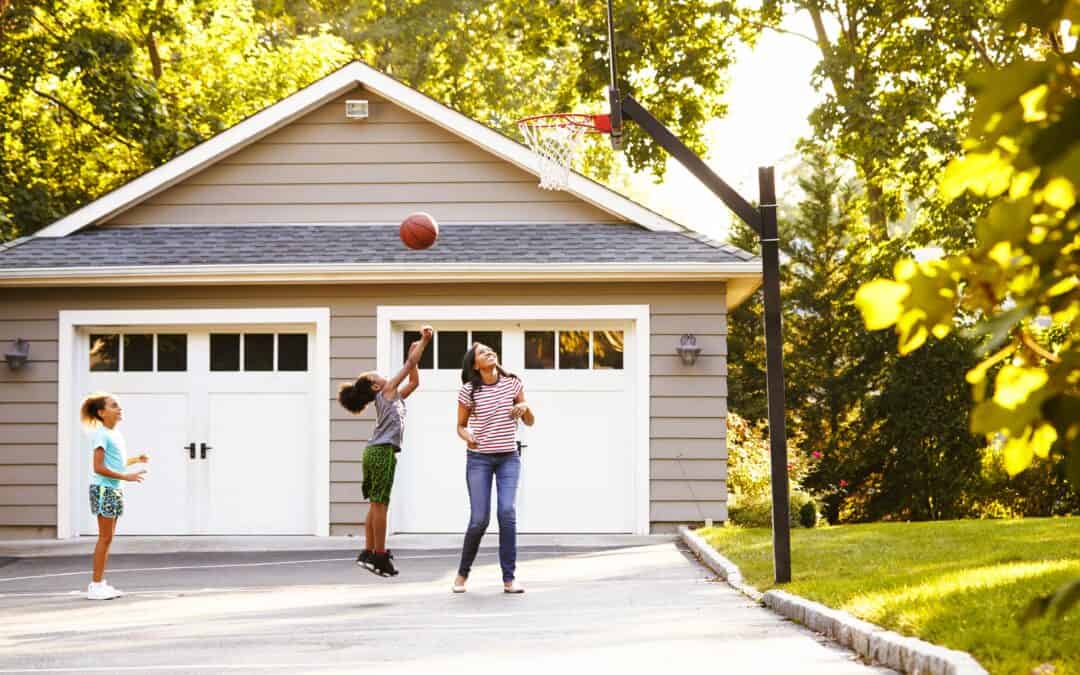
Garage doors are often reliable but not immune to failure. When one stops opening, it can quickly interrupt routines and compromise safety. Identifying the real issue isn’t always obvious and may require more than a surface inspection. Slidell Garage Door Repair points out, “Minor symptoms like slow starts or soft grinding often signal bigger garage door repair needs that homeowners should catch early.”
1. Severely Damaged Garage Door Springs
Springs do the majority of the lifting every time the door opens. Over time, they wear out, stretch unevenly, or snap. These failures often come without warning and result in a door that refuses to move. According to national safety data, torsion springs typically last between 7 to 10 years, depending on frequency of use.
- broken springs create sudden drops or immovable doors
- visible gaps in the coils suggest spring breakage
- rust or squeaks can indicate early wear
2. Faulty Garage Door Opener System
The opener consists of several integrated parts—motors, relays, chains, and sensors. A problem in any of these components can cause irregular operation or complete failure. Symptoms may include humming, partial lifting, or a non-responsive control panel.
- internal gears may grind or strip over time
- overheating causes shutdowns during operation
- outdated logic boards misinterpret remote signals
3. Slightly Misaligned Garage Door Tracks
Even minor shifts in the door track can prevent smooth motion. Tracks may bend from vehicle bumps or loosen gradually through vibrations. These issues can cause sticking, shaking, or loud grinding.
- rollers may bind or jump the track
- loose mounting screws affect alignment
- metal fatigue can lead to slow warping of the rail
4. Poorly Calibrated Safety Sensors
Sensors near the base of the door must stay clean, aligned, and undisturbed. If they tilt slightly or become dusty, they can block the signal required for safe operation. The door may stop mid-motion or refuse to move at all.
- blinking lights on the sensor signal misalignment
- dirt, leaves, or sun glare can disrupt the infrared beam
- corroded wires inside the casing may cause intermittent faults
5. Weak or Inconsistent Remote Battery
Remote controls depend on strong battery power to signal the opener. A fading battery often causes reduced range or delayed response. Many homeowners assume it’s the opener malfunctioning when the remote simply lacks power.
- sluggish button response usually means battery failure
- cold weather shortens battery lifespan significantly
- replacing the battery annually avoids signal issues
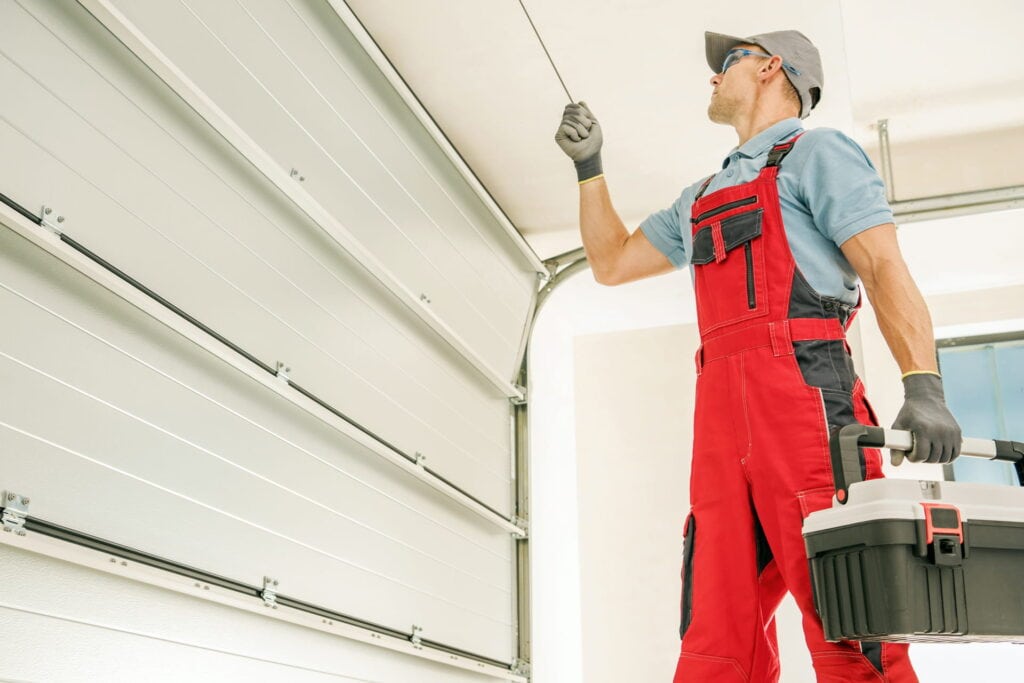
6. Accidentally Pulled Emergency Handle
The emergency release cord lets users disengage the door from the opener for manual use. When pulled unintentionally, the door won’t move via remote or wall button. Many mistake this for a mechanical breakdown.
- trolley disengagement leaves the door loose
- opener noise without door movement is a key clue
- reconnecting varies slightly by model and brand
7. Tripped Circuit or Power Loss
Garage door openers need a reliable power source to function. If a breaker trips or a GFCI outlet fails, the unit loses power completely. Often, this issue is mistaken for equipment malfunction.
- outlets should be tested with other devices
- breakers can appear on but still not supply power
- old wiring or damaged cords may need replacement
8. Frozen Door Seal in Winter
Cold temperatures often freeze the rubber seal along the bottom of the garage door. Ice can glue the seal to the concrete, stopping the door from lifting. This can overstrain the opener if left unchecked.
- moisture under the seal solidifies overnight
- forced lifting can tear the rubber or strip the opener gear
- applying silicone lubricant prevents freezing
9. Frayed or Broken Lift Cables
Cables support even weight distribution during door operation. When one snaps or frays, the door may become lopsided or stuck. Cable issues are serious and can damage other components if ignored.
- one side of the door may lift slower or not at all
- signs include visible wear or slack near the drum
- popping or screeching noises suggest cable damage
10. Objects Blocking the Door Path
Small items left near the base of the door or in the track often interfere with movement. Toys, bags, or tools can obstruct sensors or physically block the rollers. These are some of the easiest issues to fix, yet they’re commonly missed.
- rollers may catch on cardboard or packaging
- sensors detect harmless objects as potential threats
- removing clutter near the track often restores function
Key Takeaways for Garage Door Not Opening
Garage doors rely on several coordinated systems; springs, openers, sensors, and tracks. A problem in any part can halt the door completely or make it work intermittently. The most successful prevention strategy is early recognition. Strange sounds, stalling, or uneven motion usually mean it’s time to inspect the components. Slidell Garage Door Repair encourages homeowners to check all visible parts regularly and act quickly if anything feels off.
Frequently Asked Questions
Why does my garage door only open a few inches?
This is often caused by a broken spring or misconfigured force settings in the opener.
Is it dangerous to force a frozen garage door open?
Yes. Forcing it can tear the seal, damage the door, or break the opener’s internal parts.
How can I check if the sensors are misaligned?
Look for blinking lights on the sensor or test them by waving an object across the beam to see if the door responds correctly.
Why does the remote only work when I’m close to the door?
Low battery power reduces signal strength. Try replacing the battery and cleaning the terminals.
Can I replace garage door cables myself?
It’s not recommended. Cables are under high tension and require specialized tools and safety training to handle.

Louisiana News Post provides expert advice on home and garden services like gardening, landscaping, hardscaping, renovating, remodeling, roofing, HVAC, and interior design to help readers create their dream spaces. Their practical tips and creative solutions are inspired by years of hands-on experience and a commitment to affordable living. Whether you’re a seasoned handyman or just starting to explore home improvement, Louisiana News Post’s articles are a reliable resource for innovative ideas and detailed guidance.