Household appliances rarely quit at the exact same moment, yet hidden trouble often grows quietly until daily routines feel harder, slower, and more expensive. Recurring breakdowns from wear and poor maintenance are why an appliance repair service often sees the same issues across homes. These repair patterns usually point to aging parts, restricted airflow, blocked drainage, temperature inconsistency, or electrical wear that builds over months of regular use. Renew Appliance Repair explains, “Longer cycle times, weak cooling, odd noises, and uneven heating often show up before a full breakdown, and early service can stop a minor problem from turning into a far more expensive repair.”
- Appliance wear often rises after 5 to 10 years based on U.S. Department of Energy guidance
- Routine care can help appliances last longer and perform more consistently
- Small changes in sound, timing, or temperature often signal deeper internal trouble
Common Appliance Repair Issues
A homeowner may first notice a washer holding water, a refrigerator running warm, or a dryer taking two cycles to finish a load, and those early shifts can seem easy to ignore. Service professionals know those subtle changes often point to growing stress inside motors, sensors, pumps, seals, fuses, or control parts that no longer work the way they should. Repeated use pushes every appliance through heat, moisture, vibration, and friction, so the same failures tend to show up again and again across kitchens and laundry rooms. Patterns like these help explain why certain repair calls happen so often.
- Early warning signs often appear before a full shutdown
- Ongoing strain speeds up damage inside moving and electrical parts
- Delayed service can turn a limited fix into a much larger repair
1. Refrigerator Not Cooling Properly
Refrigerators that stop holding a steady temperature often struggle with dirty condenser coils, weak door gaskets, blocked vents, failing evaporator fans, or controls that no longer read temperatures correctly. Energy.gov notes that refrigerators use a significant share of household electricity, so cooling trouble can raise power use while also putting food safety at risk. Milk, meat, leftovers, and produce can spoil faster when the fresh food section stays above the recommended range, and many homeowners do not notice the temperature swing until food starts going bad. Consistent cooling protects both groceries and energy use.
- Dusty coils can force the system to run longer than normal
- Loose seals let cold air escape every time the door closes
- Faulty thermostats or sensors can cause uneven cooling from shelf to shelf
2. Washing Machine Not Draining
Washing machines that finish a cycle with water still inside often deal with clogged drain pumps, pinched hoses, blocked filters, or lid switch problems that interrupt the drain sequence. The U.S. Environmental Protection Agency ties water waste to household system problems, and poor draining can add more wasted water when loads must be rerun. Standing water inside the drum can also create mildew odor, encourage mold growth, and leave fabrics smelling sour even after a wash. A drainage problem usually starts small, then becomes harder on the machine with every extra cycle.
- Blocked pumps can trap lint, coins, hair, or fabric debris
- Restricted hoses can slow water removal and strain the pump
- Interrupted drain cycles can leave clothes too wet for proper drying
3. Dryer Not Heating Up
Dryers that tumble normally but produce little or no heat often have a blown thermal fuse, a failed heating element, weak gas ignition parts, or severe vent blockage caused by lint buildup. The U.S. Fire Administration reports that dryer fires remain a serious household risk, especially when airflow is restricted and heat has nowhere to go. Poor heating also stretches drying times, which can drive up energy costs and wear out clothing through repeated cycles that should not be necessary. Strong heat alone is not enough because safe airflow matters just as much.
- Blocked vents can trap hot air and create dangerous operating conditions
- Broken heating components can leave clothes damp after a full cycle
- Restricted airflow can make the dryer overheat even when heat feels weak
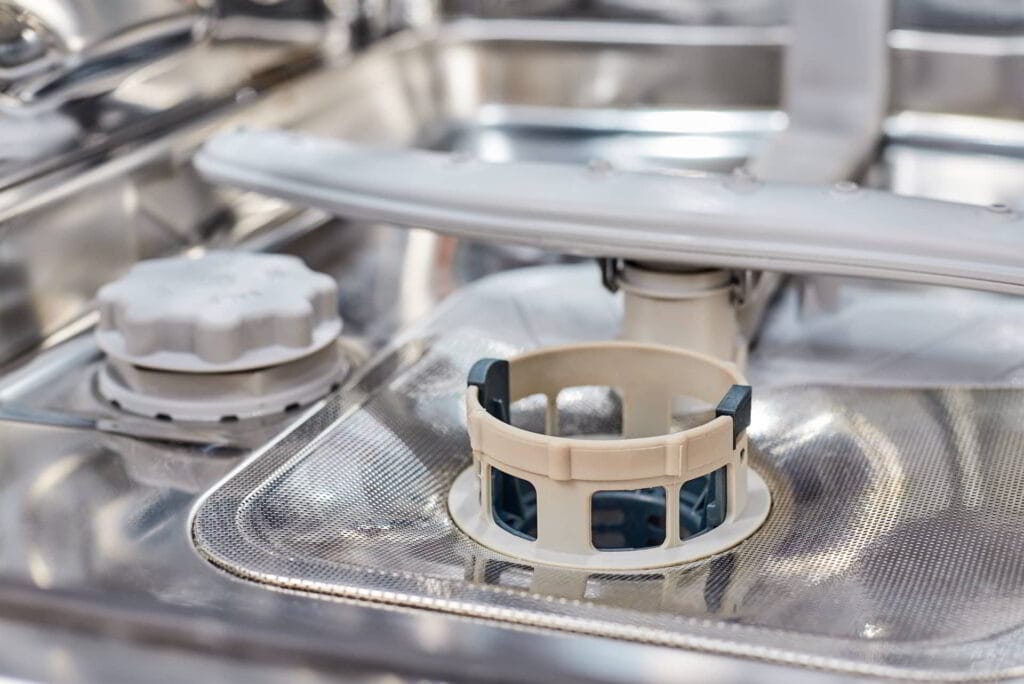
4. Dishwasher Not Cleaning Dishes
Dishwashers that leave behind film, crumbs, or greasy residue often suffer from clogged spray arms, worn wash pumps, dirty filters, hard water buildup, or water that never reaches the right temperature. The Department of Energy explains that dishwashers depend on proper water movement and correct operating conditions to clean effectively. Homeowners often assume detergent is the problem, yet the real cause may be low spray pressure or blocked openings that keep water from reaching every dish. Better cleaning starts with strong circulation and a clear internal path for water.
- Blocked spray arms can keep upper and lower racks from washing evenly
- Dirty filters can recirculate food particles back onto dishes
- Mineral buildup can reduce water flow and leave cloudy residue on glassware
5. Oven Not Heating Evenly
Ovens that brown one side too quickly or leave the center undercooked often have weakening bake elements, failing temperature sensors, loose connections, or calibration drift that changes how the oven reads heat. The USDA stresses proper cooking temperatures for food safety, and uneven oven performance can make that harder to judge. Cookies may burn on one rack while casseroles stay cool in the middle, which creates frustration and can also affect safe meal preparation. Steady oven heat matters for both cooking results and household confidence.
- Weak elements can create hot spots and cold zones across the cavity
- Faulty sensors can misread temperatures and throw off cook times
- Calibration issues can make the control panel display inaccurate heat levels
6. Garbage Disposal Jammed
Garbage disposals often jam when fibrous scraps, grease, bones, fruit pits, or nonfood objects block the grinding chamber and stop the motor from turning freely. The Environmental Protection Agency encourages better food waste habits, and that advice matters because disposals are not built to handle every type of kitchen waste. A jam can lead to humming, foul odor, slow sink drainage, or a full stop that leaves the sink unusable during meal cleanup. Quick attention helps prevent damage to the disposal and added stress on nearby plumbing.
- Grease can harden inside the system and reduce movement over time
- Stringy food scraps can wrap around internal parts and create jams
- Foreign objects can damage blades and strain the motor
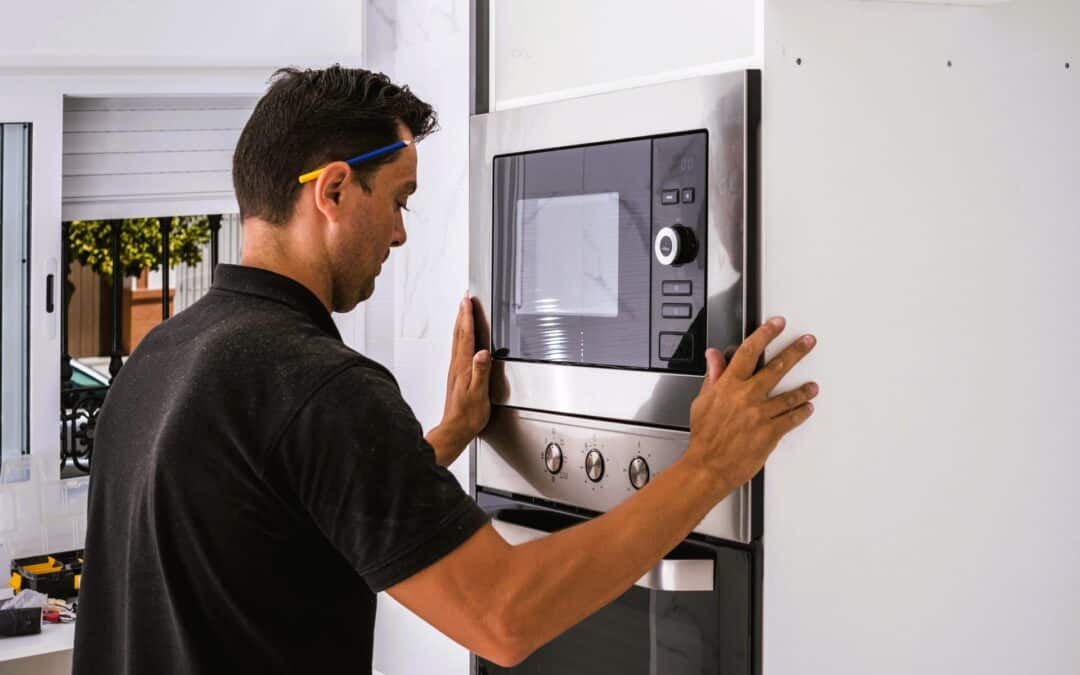
7. Microwave Not Heating Food
Microwaves that light up and spin normally but fail to warm food often point to a failed magnetron, damaged diode, faulty door switch, or electrical trouble that interrupts heat production. The FDA highlights the importance of proper microwave operation because uneven heating can leave food unsafe to eat. Many homeowners assume the appliance still works because the display, turntable, and timer seem normal, yet the heating system may already be failing in the background. A microwave that runs without heating should never be dismissed as a minor inconvenience.
- Failed heating components can leave meals cold in the center
- Door switch issues can interrupt normal operation without obvious warning
- Electrical faults can create inconsistent heating from one use to the next
8. Ice Maker Not Working
Ice makers often stop producing ice because of blocked fill lines, weak water inlet valves, frozen supply tubes, or freezer temperatures that drift too high for proper ice formation. Energy.gov notes the importance of correct freezer settings, and that matters because even slight temperature changes can disrupt the full ice-making cycle. Homeowners may hear the unit try to run while no new ice appears, which often signals a water supply or temperature problem rather than total failure. Stable cold conditions and clear water flow are both necessary for dependable ice production.
- Frozen or blocked lines can stop water from reaching the mold tray
- Faulty valves can limit water fill and produce tiny or hollow cubes
- Temperature swings can slow production or stop it completely
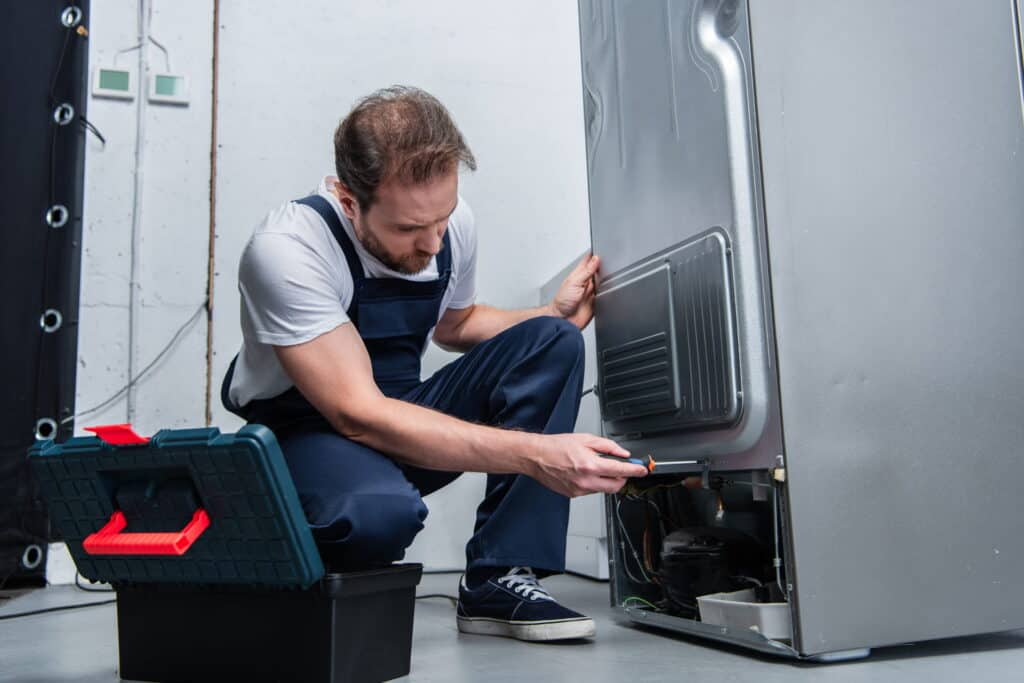
9. Freezer Not Freezing Properly
Freezers that soften food or develop heavy frost often deal with airflow blockages, failing evaporator fans, defrost system trouble, worn seals, or compressors that no longer cool with enough strength. The USDA recommends keeping freezers at 0 degrees Fahrenheit to preserve food safely, and even small increases can shorten storage life. Ice cream that turns soft, frozen vegetables that clump together, or meat that develops partial thawing can all point to deeper cooling trouble. Stable freezing conditions protect food quality, texture, and safety.
- Blocked vents can prevent cold air from circulating across compartments
- Defrost failures can create frost buildup that interferes with airflow
- Weak compressors can cause longer run times and poor freezing results
10. Stove Burner Not Working
Stove burners that heat unevenly or fail to turn on often have broken coils, damaged receptacles, weak igniters, clogged gas ports, or wiring trouble beneath the cooktop. The U.S. Department of Energy explains that cooking appliances depend on steady energy delivery, and burner trouble can interrupt meal prep in frustrating ways. A burner may glow only in spots, click without lighting, or heat far too slowly, and each sign points to a different repair need. Dependable stovetop heat is a basic part of everyday kitchen use.
- Broken coils can prevent full heat across the cooking surface
- Ignition problems can stop gas burners from lighting correctly
- Wiring issues can cause intermittent power or total burner failure
Understanding Appliance Wear Patterns
Appliance repairs rarely happen for no reason, and the most common failures usually come from the same mix of age, dust, moisture, heat, friction, and delayed maintenance. Homeowners who notice changes in sound, smell, timing, drainage, or temperature often have a chance to fix the problem before a larger part fails. Renew Appliance Repair notes that watching for these early shifts can reduce repair costs, protect food and clothing, and help households avoid the stress of sudden appliance shutdowns. Better awareness often leads to better repair decisions.
- Early service can stop small faults from spreading to other components
- Routine cleaning can reduce stress on fans, vents, coils, and pumps
- Faster response to warning signs can help appliances last longer
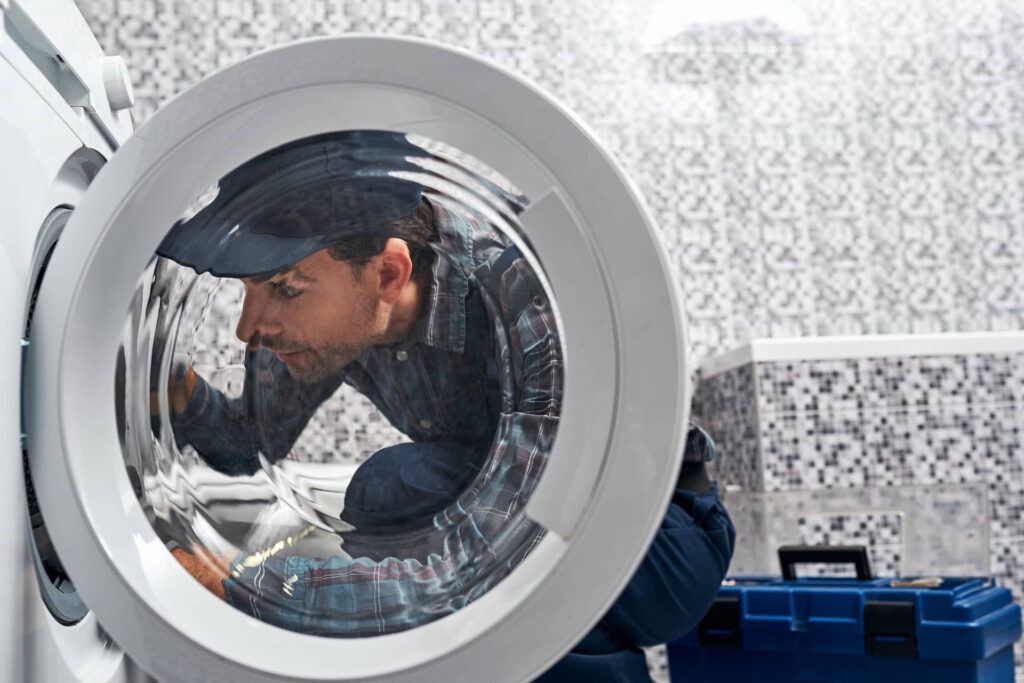
Most Common Appliance Repairs Key Takeaways
- Refrigerators, washers, dryers, dishwashers, ovens, and freezers often show warning signs before failing
- Cooling, drainage, airflow, heating, and electrical problems are behind many common repair calls
- Government guidance shows that poor appliance performance can affect food safety, water use, and energy costs
- Early attention to strange sounds, weak heating, warm temperatures, or standing water can limit bigger repairs
- Routine maintenance and prompt service help reduce repeat breakdowns across the home
Frequently Asked Questions
What appliance breaks down most often in a home?
Refrigerators, washers, and dryers are among the most commonly repaired appliances because they run often and handle demanding daily use.
How can a homeowner tell when an appliance needs service?
Longer cycle times, unusual noises, weak cooling, poor drainage, burning smells, and uneven heating are all common signs that service may be needed.
Is appliance repair usually better than replacement?
Repair is often the better choice when the appliance is still within a reasonable age range and the problem is limited to one major component or a smaller part.
Why do appliance problems get worse so quickly?
One weak part can force nearby components to work harder, which spreads strain through the system and speeds up failure.
What can homeowners do to reduce appliance repair calls?
Cleaning vents and filters, checking seals and hoses, avoiding overloads, and responding early to warning signs can reduce many common breakdowns.

Louisiana News Post provides expert advice on home and garden services like gardening, landscaping, hardscaping, renovating, remodeling, roofing, HVAC, and interior design to help readers create their dream spaces. Their practical tips and creative solutions are inspired by years of hands-on experience and a commitment to affordable living. Whether you’re a seasoned handyman or just starting to explore home improvement, Louisiana News Post’s articles are a reliable resource for innovative ideas and detailed guidance.