
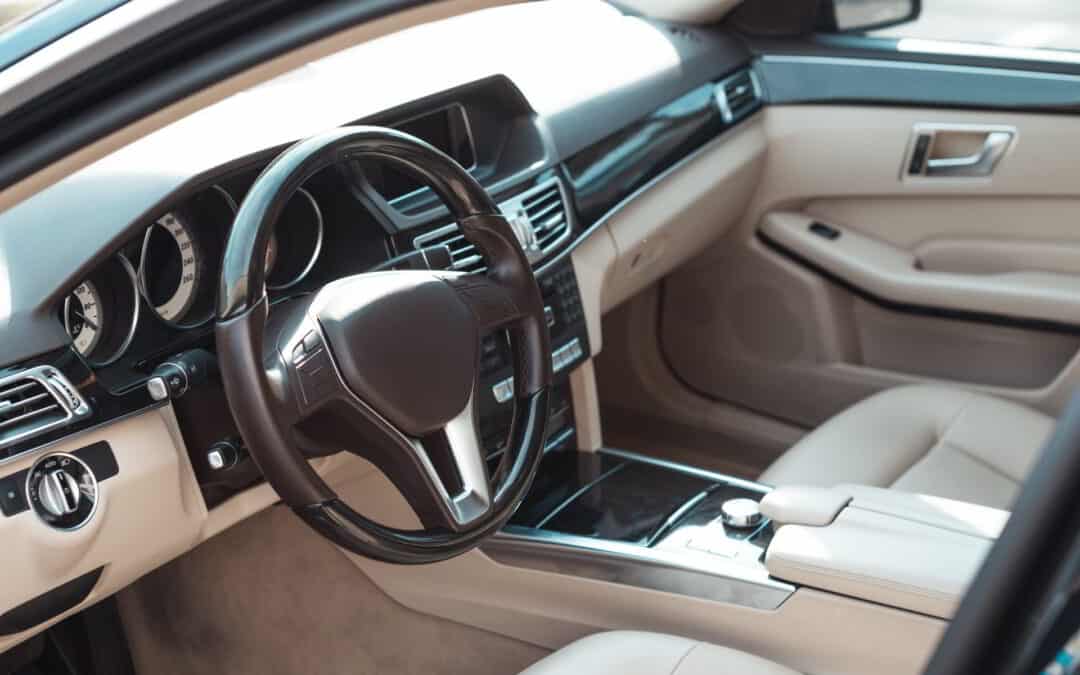
Car detailing goes well past a quick rinse and a fast vacuum. Professional detailing is a comprehensive cleaning and reconditioning service that treats the vehicle inside and out with careful, step-by-step attention. Many drivers ask “What does car detailing include?” because they want to know what they’re paying for and what results they should expect. This guide explains the most common detailing services and why the exact list can shift based on the vehicle, the package, and the condition of the car.
“Many people assume detailing is just a deeper car wash, but real detailing is a methodical process that restores and protects every surface,” says P’s Detailing & Washing. “When each area of the vehicle is cleaned, corrected, and protected step by step, the result isn’t just a cleaner car, it’s a vehicle that stays in better condition for much longer.”
1. Understanding What Car Detailing Services Offer
A friend once dropped off a mid-size SUV expecting a simple interior clean, then picked it up with glossy wheels, refreshed trim, and not a crumb hiding in the seams. Professional car detailing follows a structured process designed to clean, restore, and protect surfaces rather than just make them look “good enough.” Results feel different the moment the door opens because the work reaches the spots most people miss. Packages also vary, so a quick comparison of inclusions helps drivers choose what actually fits their needs.
- Car detailing combines cosmetic improvement with protective upkeep
- Detailing providers often offer tiered packages based on condition and goals
- Detailing usually includes specialized tools and products beyond household cleaners
2. Engine Bay Car Detailing Process
Some detailing packages include engine bay cleaning, and the benefit is more than appearance. A cleaner engine area can make it easier to notice seepage, cracked hoses, loose caps, or buildup that hides trouble spots. Detailers typically use a safe degreaser, controlled rinsing, and a plastic-safe dressing to leave components looking tidy without soaking sensitive areas. Many drivers skip this step, yet it can be useful for anyone tracking maintenance or troubleshooting odors and leaks.
- Improves visibility for spotting leaks, residue, and worn components
- Helps rubber and plastic parts stay in better shape with proper protectants
- Uses cautious, low-pressure techniques to reduce electrical risk
3. Exterior Car Detailing Breakdown
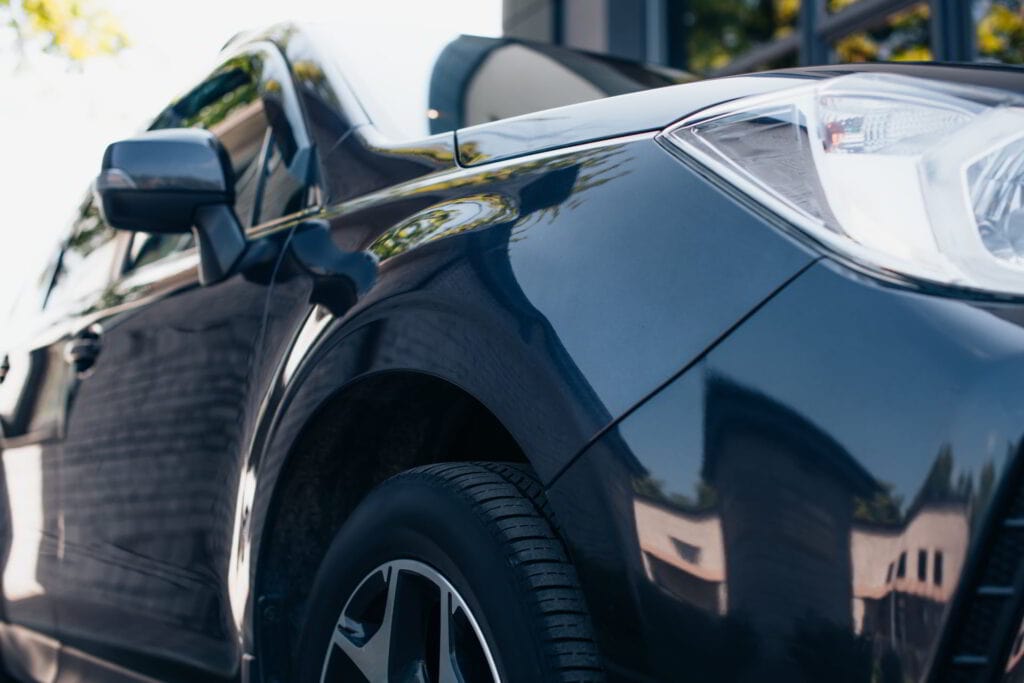
Exterior detailing includes far more than soap and water. Detailers remove road film, brake dust, and bonded contaminants, then refine the paint to reduce haze and bring back clarity. Many services finish with protection such as wax or sealant, while higher tiers may include paint correction to reduce swirls and light defects. The goal is sharper gloss and longer-lasting protection against sun, rain, and grime.
- Hand washing and careful drying to reduce swirls and micro-scratches
- Clay bar or decontamination treatment to lift stuck-on particles
- Wax, sealant, or protective coating to boost shine and durability
4. Interior Car Detailing Services
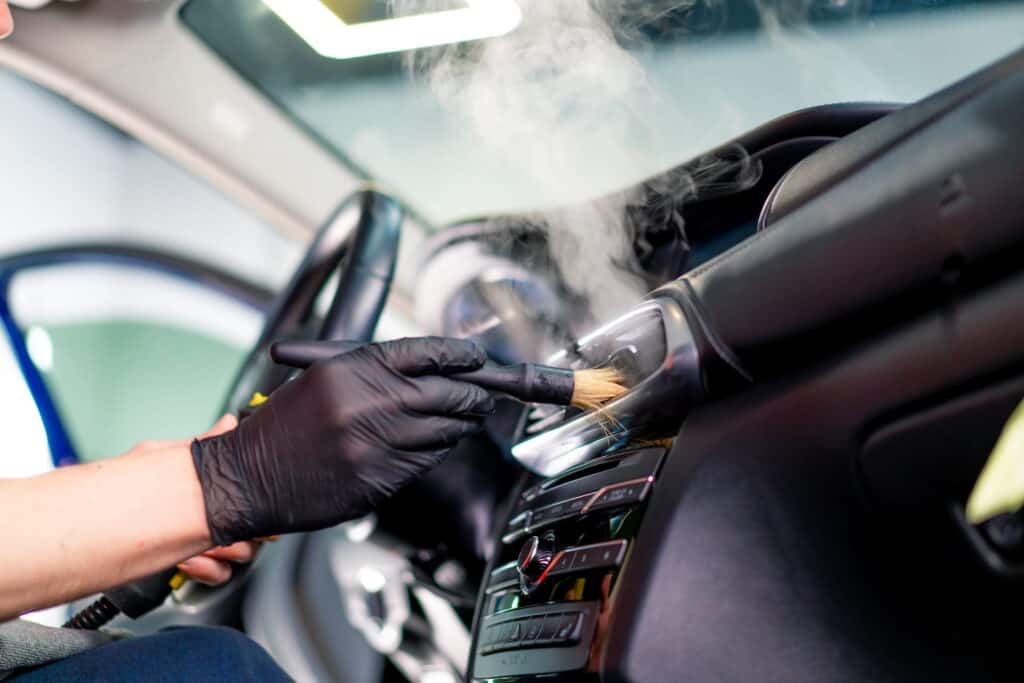
Interior detailing focuses on deep cleaning, stain removal, and restoring the feel of high-use surfaces. Seats, carpets, door panels, and console areas get cleaned with tools that reach into cracks, under seat rails, and around tight edges. Leather may be gently conditioned to reduce dryness, while fabric can be shampooed or steam-cleaned based on the package and the material. The outcome is a cleaner cabin, fewer odors, and a more comfortable driving experience.
- Thorough vacuuming of seats, carpets, trunk space, and under-seat areas
- Steam, foam, or shampoo treatment for mats and carpeted surfaces
- Sanitizing high-touch areas such as steering wheels, door handles, and cup holders
5. Car Detailing for Different Vehicle Types
Vehicle size and vehicle use can change what detailing includes and how long it takes. A compact sedan typically requires less time than a large SUV, a work truck, or a three-row family vehicle with heavy interior traffic. Larger vehicles bring more surface area, more crevices, and more opportunities for hidden grit and pet hair to build up. Many shops price by size and condition together, since a lightly used SUV can be faster than a neglected small car.
- Trucks and vans often cost more due to added surface area and labor time
- Luxury and vintage vehicles may need gentler products and more careful handling
- Daily-use vehicles typically benefit from more frequent interior deep cleaning
6. Add-On Services in Car Detailing Packages
Add-ons help drivers tailor a detail to the car’s real-world needs, especially when protection or restoration matters most. Protective upgrades like ceramic coatings can make washing easier and help surfaces resist water spotting and grime. Paint correction can reduce fine scratches and dullness, improving clarity before any long-term protection is applied. Interior add-ons such as fabric guard can also help families and commuters handle spills without immediate staining.
- Ceramic coatings can add longer-lasting water and dirt resistance
- Paint protection film can help reduce rock chips and minor impacts
- Fabric protection can slow absorption and make cleanup less stressful
7. Time and Cost of Full Car Detailing
Full car detailing rarely happens in a hurry because quality work depends on preparation and careful finishing. Many standard details take around 2 to 6 hours, while severe buildup, pet hair, stains, or specialty services can push the time much higher. Pricing changes based on vehicle size, package depth, and local labor rates, and national ranges commonly span from entry-level services to higher-end packages. Drivers can usually save money by choosing the package that targets the biggest issues first instead of stacking every add-on at once.
- Basic interior and exterior detailing often starts around the low hundreds
- Premium packages with coatings or paint correction can reach several hundred dollars or more
- Time and cost typically rise with larger vehicles and specialty upgrades
What Car Detailing Does Not Include
Car detailing improves cleanliness and surface condition, but it does not replace body repair or mechanical service. Deep dents, rust, paint chips, and major scratches usually require a body shop, not a detail bay. Upholstery tears, burns, and broken trim may need repair or replacement beyond what cleaning can solve. Clear expectations help drivers avoid disappointment and choose the right service for the right problem.
- Dents, rust, and paint chips require body repair rather than detailing
- Severe upholstery damage may need reupholstery or replacement work
- Mechanical services like oil changes and drivetrain repairs fall outside detailing
Key Takeaways for What Car Detailing Includes
Car detailing includes a wide set of cleaning, restoration, and protection steps that reach far beyond a normal wash. Many packages cover the interior and exterior, and some include engine bay cleaning for drivers who want a more complete refresh. Vehicle size, vehicle condition, and chosen add-ons can change both the service list and the final price. Strong detailing value comes from preserving surfaces, improving comfort, and keeping the car easier to maintain week to week.
- Detailing often includes hand washing, interior deep cleaning, and paint protection steps
- Vehicle size and condition influence time, pricing, and service depth
- Add-ons like coatings and paint correction can increase protection and appearance
Frequently Asked Questions about Car Detailing
Is car detailing the same as a car wash?
Car detailing is not the same as a car wash. A car wash usually focuses on fast surface cleaning, often concentrating on exterior dirt. Detailing involves deeper interior and exterior work, typically using specialized tools and products, and it can take hours instead of minutes.
How often should a vehicle be detailed?
Many drivers schedule detailing every 4 to 6 months, then adjust based on lifestyle. Heavy commuting, outdoor parking, pets, kids, and frequent eating in the car can shorten the timeline. A lighter maintenance detail between full details can also help keep buildup from getting out of hand.
Can detailing remove scratches?
Detailing can reduce certain light scratches and swirl marks, especially when polishing is included. Deep scratches that catch a fingernail often need paint correction, touch-up work, or body repair. A detailer can usually evaluate the scratch depth quickly and explain what results are realistic.
Does detailing help preserve resale value?
Detailing can support resale value by improving appearance and signaling consistent care. Buyers and dealerships often react strongly to clean interiors, fresh-smelling cabins, and paint that looks well maintained. A clean, cared-for vehicle also tends to photograph better for listings, which can help attract more serious inquiries.
What should be removed before a detailing appointment?
Drivers should remove personal items, valuables, and anything tucked into door pockets or console storage. Child seats and bulky accessories should be taken out when possible so detailers can reach more surfaces. Clear access helps the service run smoother and reduces the chance of misplaced items.

Louisiana News Post provides expert advice on home and garden services like gardening, landscaping, hardscaping, renovating, remodeling, roofing, HVAC, and interior design to help readers create their dream spaces. Their practical tips and creative solutions are inspired by years of hands-on experience and a commitment to affordable living. Whether you’re a seasoned handyman or just starting to explore home improvement, Louisiana News Post’s articles are a reliable resource for innovative ideas and detailed guidance.