
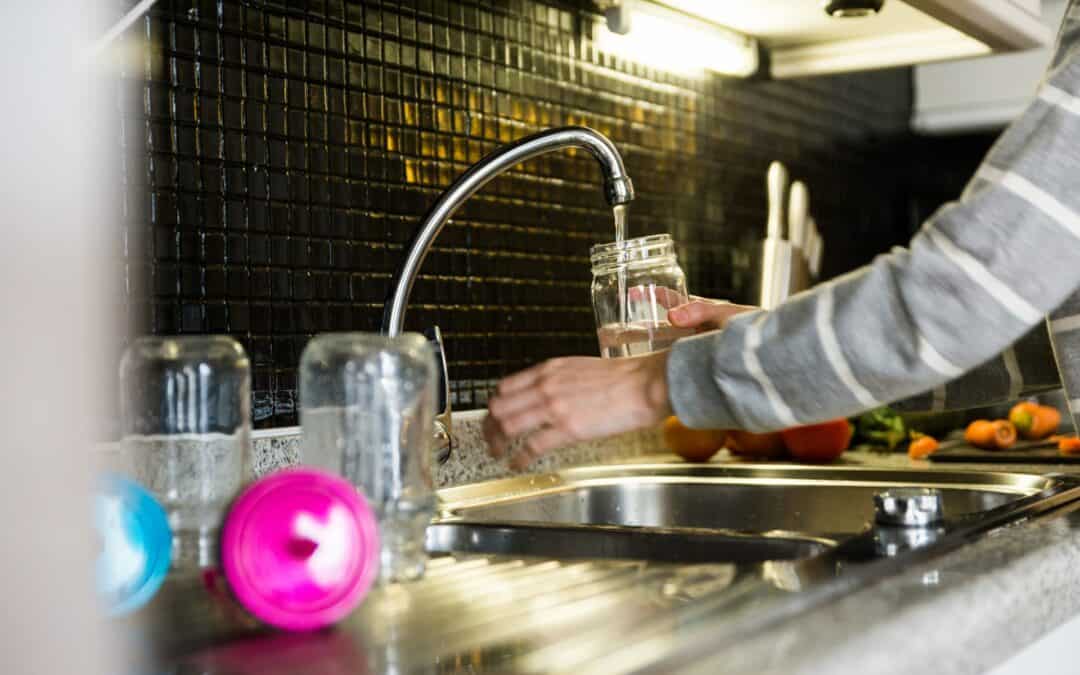
Low water pressure changes daily routines in noticeable ways, turning simple tasks into slow, frustrating moments. Showers lose strength, faucets struggle to rinse properly, and appliances take longer to finish their cycles. Many homeowners experience this shift gradually and adapt without realizing something inside the system is no longer working efficiently. “Pressure loss usually builds quietly, and by the time it’s obvious, the plumbing has already been under strain,” explains DiMarco Plumbing, noting that reduced flow almost always traces back to internal restrictions or mechanical imbalance.
Low Water Pressure Patterns
Pressure problems often reveal themselves through small inconsistencies rather than sudden failure. A homeowner might notice the kitchen sink running weak while the bathroom performs normally, or pressure dropping when more than one fixture runs. Real-world troubleshooting shows these uneven patterns point toward volume limitations somewhere along the supply path. Situations like this often appear weeks or months before visible damage develops.
- Uneven pressure between fixtures
- Flow loss during simultaneous use
- Gradual decline over time
1. Aging Pipe Buildup
Aging plumbing lines commonly develop internal buildup that slowly narrows the passageway for water. Mineral deposits attach to pipe walls, especially in galvanized or steel systems installed decades ago. The U.S. Geological Survey reports that mineral-rich water accelerates scale accumulation inside household plumbing. Reduced pipe diameter limits flow long before leaks become visible.
- Minerals adhere to interior surfaces
- Corrosion reduces usable pipe space
- Pressure weakens year after year
2. Partially Closed Valves
Partially closed valves restrict flow even when water still appears to run normally. Main shutoff valves, meter valves, or localized fixture stops may remain slightly turned after maintenance work. Even a small misalignment limits how much water enters the system. Minor valve adjustments often produce immediate pressure improvement.
- Main valves affect the entire home
- Fixture stops limit local flow
- Small turns create large pressure changes
3. Pressure Regulator Failure
Pressure regulators control the force of incoming water before it enters household plumbing. As internal springs and diaphragms wear, regulators struggle to maintain steady output. The American Water Works Association explains that most homes operate best between 40 and 60 psi. Failing regulators often cause widespread pressure loss rather than isolated issues.
- Internal components weaken over time
- Pressure fluctuates unexpectedly
- Whole-home flow drops together
4. Hidden Plumbing Leaks
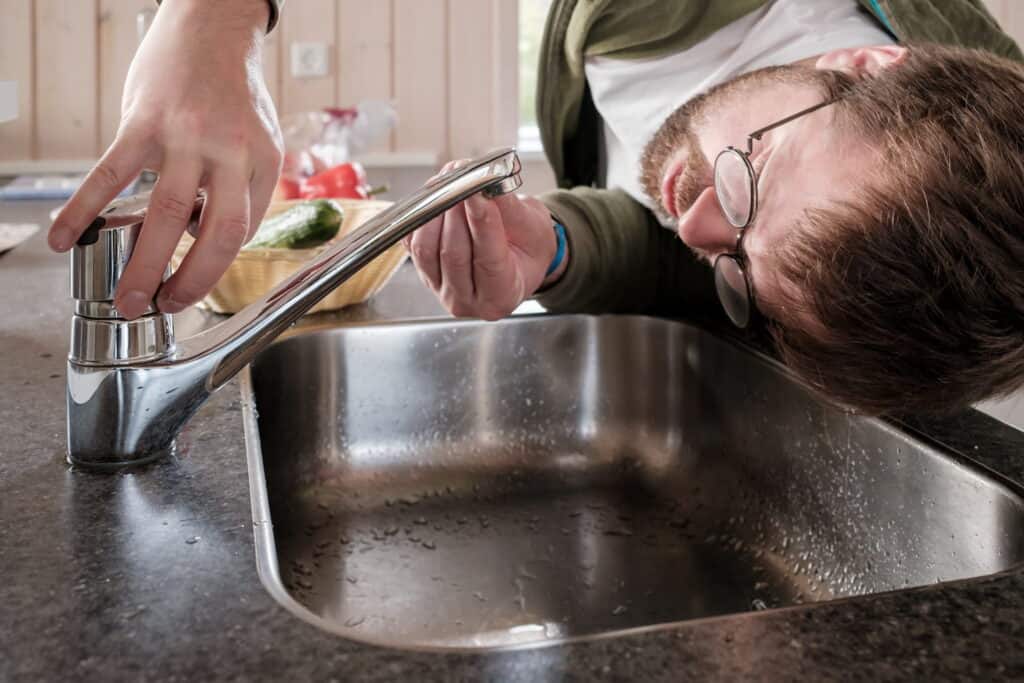
Hidden leaks divert water before it ever reaches faucets or fixtures. Even small leaks continuously reduce available volume, lowering pressure throughout the system. The Environmental Protection Agency estimates that household leaks account for nearly one trillion gallons of wasted water nationwide each year. Pressure reduction often appears long before moisture stains or pooling develop.
- Water escapes behind walls or slabs
- Pressure drops without visible signs
- Utility usage rises quietly
5. Fixture Flow Restrictions
Fixture-level restrictions often create the illusion of whole-home pressure loss. Aerators and showerheads collect sediment, debris, and mineral scale that narrow exit openings. Water reaches the fixture but cannot exit efficiently. Cleaning these components frequently restores noticeable flow.
- Aerators trap fine debris
- Mineral scale blocks spray holes
- Pressure varies from room to room
6. Shared Water Supply Demand
Shared water supply systems influence pressure based on neighborhood demand. During peak usage hours, multiple homes draw water at the same time, reducing available flow. The U.S. Environmental Protection Agency notes that community systems experience pressure fluctuations during heavy consumption periods. Pressure typically improves once demand decreases.
- Morning and evening demand spikes
- Multiple properties share supply lines
- Pressure changes by time of day
7. Undersized Plumbing Lines
Undersized plumbing lines limit how much water can travel through the system simultaneously. Older homes were often built with narrower piping that struggles to support modern appliances and multi-bathroom use. When several fixtures operate together, pressure drops quickly. Increased household demand exposes outdated design limitations.
- Smaller pipes restrict water volume
- Modern usage exceeds original capacity
- Pressure falls during concurrent use
Why Low Water Pressure Deserves Attention
Low water pressure rarely stems from a single fault and often develops through multiple overlapping factors. Each cause discussed earlier reduces flow in a different way, whether through buildup, leakage, regulation failure, or limited pipe capacity. Over time, these issues compound and strain the entire system. Identifying the true source prevents unnecessary repairs and protects long-term performance.
- Multiple issues often coexist
- Early review limits system stress
- Delayed fixes increase repair complexity
Key Takeaways for Low Water Pressure at Home
- Pipe buildup steadily narrows flow paths
- Valve positioning directly affects pressure
- Failing regulators impact the whole home
- Hidden leaks reduce volume before damage shows
- Older plumbing layouts struggle with modern demand
Frequently Asked Questions About Low Water Pressure
Can low pressure damage plumbing fixtures?
Low pressure itself rarely damages fixtures, though underlying causes such as buildup or leaks can.
Why does pressure change throughout the day?
Shared supply demand and regulator wear often cause fluctuation during peak usage hours.
Does low pressure affect water heaters?
Yes, tankless systems especially rely on consistent flow to operate correctly.
Can pressure loss occur without visible leaks?
Yes, concealed leaks frequently reduce pressure long before water damage appears.
Is uneven pressure between rooms common?
Yes, localized buildup, fixture restrictions, or branch line sizing often cause imbalance.

Louisiana News Post provides expert advice on home and garden services like gardening, landscaping, hardscaping, renovating, remodeling, roofing, HVAC, and interior design to help readers create their dream spaces. Their practical tips and creative solutions are inspired by years of hands-on experience and a commitment to affordable living. Whether you’re a seasoned handyman or just starting to explore home improvement, Louisiana News Post’s articles are a reliable resource for innovative ideas and detailed guidance.