Drain odors frequently catch homeowners by surprise, sometimes appearing without warning while other times developing gradually until the smell becomes overwhelming inside living spaces. Unpleasant smells coming from plumbing fixtures usually point to sanitation issues, ventilation failures, or internal pipe buildup that requires prompt attention before problems intensify. Ten common reasons drains smell and what homeowners can do about it examines the mechanical and environmental factors that allow odors to escape into homes. DiMarco Plumbing explains, “Persistent drain odors often signal residue accumulation or ventilation imbalance, and early investigation helps homeowners avoid extensive plumbing failures and expensive restoration work.”
Exploring Why Drains Smell and Practical Solutions for Homeowners
Households regularly encounter unpleasant plumbing odors when sinks, tubs, or floor drains remain unused for extended periods or when organic debris accumulates deep inside piping networks. Many property owners initially attempt surface cleaning, only to discover that smells return because internal plumbing conditions remain unchanged. DiMarco Plumbing frequently works with residents who notice odors during routine cleaning or seasonal maintenance, which often reveals deeper pipe contamination or airflow complications. Environmental Protection Agency research indicates household plumbing systems can support odor-producing bacteria when moisture and organic waste remain present.
- Plumbing systems depend on consistent water movement to reduce bacterial growth
- Ventilation maintains pressure balance and blocks gas infiltration
- Routine inspections limit organic buildup that creates odor problems
1. Grease and Debris Buildup
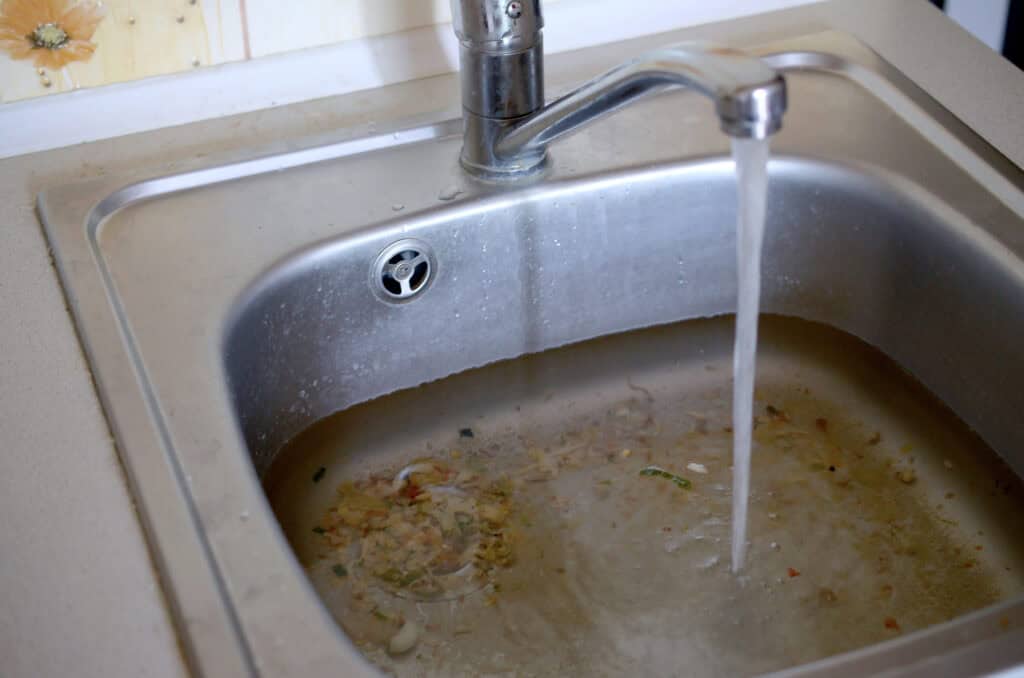
Kitchen sink drains often collect grease layers, soap residue, and microscopic food particles that gradually coat pipe interiors and restrict proper water movement. Grease hardens as temperatures cool, trapping bacteria and decomposing food material which releases foul odors that travel upward through fixtures, and buildup can cling stubbornly to pipe surfaces for months. United States Department of Agriculture food disposal studies confirm fats and oils commonly solidify within residential plumbing and contribute to odor producing blockages. DiMarco Plumbing encourages homeowners to adopt consistent drain flushing routines to keep pipes clean and functional.
- Dispose of cooking oils using sealed containers instead of sink drains
- Run hot water after washing greasy cookware to help dissolve residue
- Schedule occasional professional pipe cleaning to remove hardened buildup
2. Empty Plumbing Trap Problems
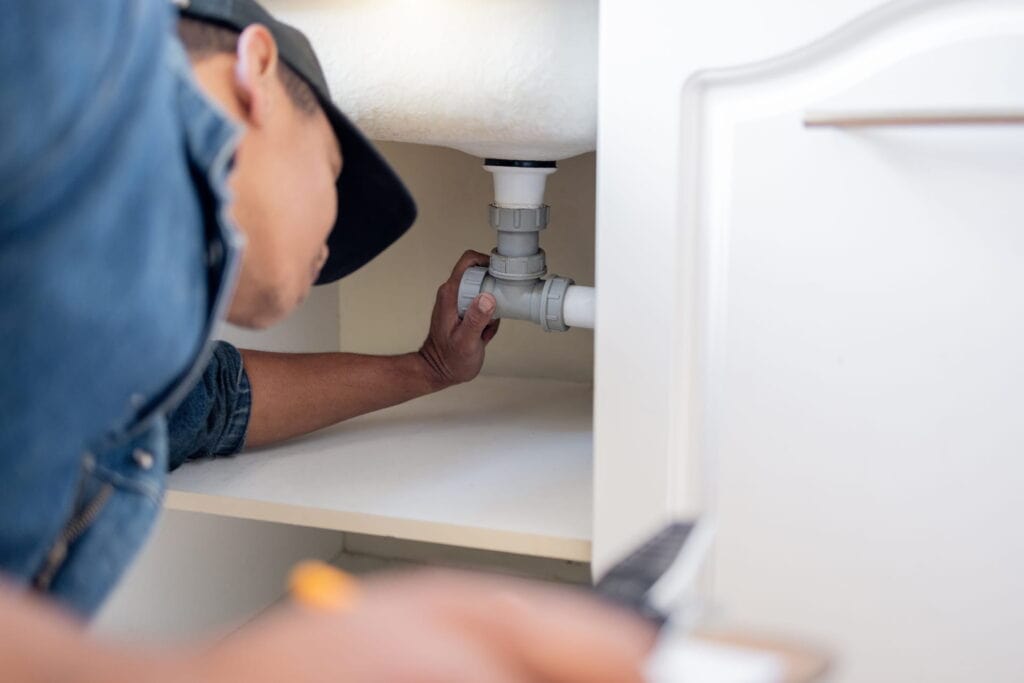
P-traps beneath sinks hold standing water that forms a protective barrier preventing sewer gases from entering homes, yet these traps may dry out when plumbing fixtures remain unused for extended periods. Sewer gases escape quickly once the water seal disappears, creating strong sulfur odors that spread through rooms, and smell intensity often increases during seasonal temperature changes. Centers for Disease Control and Prevention resources explain sewer gases may contain hydrogen sulfide which produces powerful rotten egg smells even in small amounts. DiMarco Plumbing recommends homeowners periodically run water through unused fixtures to maintain protective trap seals.
- Flush guest bathroom sinks and tubs weekly to maintain water barriers
- Add small amounts of water to basement floor drains monthly
- Check trap fittings regularly for cracks or loose connections
3. Garbage Disposal Odor Causes
Garbage disposals frequently trap microscopic food scraps beneath grinding components and inside disposal chambers where standard rinsing rarely reaches. Organic waste decomposes quickly inside these confined mechanical spaces, producing lingering odors that often return after superficial cleaning attempts, and residue accumulation continues with repeated disposal use. United States Department of Energy appliance maintenance recommendations highlight routine disposal cleaning as essential for controlling bacteria and extending equipment lifespan. DiMarco Plumbing advises homeowners to combine mechanical cleaning with flushing techniques to eliminate trapped debris.
- Grind ice cubes periodically to loosen internal residue
- Flush disposal units with hot water after grinding food scraps
- Avoid placing fibrous vegetables or starchy foods inside disposals
4. Sewer Gas Smell Sources
Sewer gas odors develop when air pressure inside plumbing systems becomes unstable, allowing gases to travel backward through household drains and fixtures. Plumbing systems rely on carefully balanced airflow pathways, and pressure disruptions occur when vent stacks malfunction or when pipe connections loosen, allowing gases to escape indoors. Occupational Safety and Health Administration information describes sewer gases as mixtures containing methane and hydrogen sulfide that produce intense odors. DiMarco Plumbing encourages professional inspections whenever homeowners detect recurring sulfur or chemical like smells.
- Notice bubbling or gurgling sounds while drains empty
- Inspect exposed plumbing joints for visible separation
- Arrange ventilation inspections when odors appear repeatedly
5. Bacteria Inside Drain Lines
Moist and enclosed drain interiors create ideal conditions for bacterial colonies that feed on organic waste, and these microorganisms release strong odors as decomposition occurs. Household drains may support bacterial populations similar to natural wetland environments where organic breakdown happens rapidly, and slow draining pipes increase bacterial activity significantly. Environmental Protection Agency sanitation findings highlight bacterial growth in stagnant water environments when organic material accumulates. DiMarco Plumbing recommends regular flushing routines and safe cleaning methods to limit microbial growth.
- Use enzyme based cleaners that dissolve organic debris naturally
- Flush drains frequently using hot water to reduce residue buildup
- Remove hair and visible waste from drain openings consistently
6. Drain Mold Growth Issues
Mold colonies frequently form around sink overflow channels, shower drains, and rubber fixture seals where moisture remains trapped after daily water use. Mold releases musty odors that circulate through bathrooms and kitchens, and smell intensity often increases during humid weather when moisture levels rise indoors. Environmental Protection Agency indoor air quality resources confirm mold thrives in damp environments and may produce noticeable earthy smells. DiMarco Plumbing encourages homeowners to monitor damp fixture areas and address mold formation early.
- Clean overflow openings using disinfecting solutions regularly
- Dry sink edges and tub surfaces after heavy use
- Inspect silicone seals and replace deteriorated sections promptly
7. Blocked Vent Pipe Symptoms
Vent pipes release sewer gases safely above rooftops while balancing internal plumbing pressure, and blockages from leaves, nests, or debris prevent airflow from operating properly. Restricted vents create suction that pulls gases back through drains, producing unpleasant smells and uneven drainage patterns, and homeowners may hear gurgling sounds while sinks empty. United States housing infrastructure studies show vent obstructions frequently contribute to residential plumbing odor complaints. DiMarco Plumbing suggests homeowners include vent inspections during seasonal roof maintenance.
- Listen for bubbling sounds following toilet flushing
- Inspect rooftop vent openings for debris accumulation
- Arrange professional evaluations when drainage slows unexpectedly
8. Cracked Sewer Pipe Odors
Sewer line cracks beneath foundations or landscaping allow wastewater gases to escape through soil and structural gaps, and these leaks frequently develop slowly as pipes age or shift with ground movement. Minor cracks release strong odors that travel through crawlspaces or walls, and homeowners sometimes detect unpleasant smells despite clean indoor drains. United States Geological Survey research identifies soil movement and pipe corrosion as common contributors to underground sewer damage. DiMarco Plumbing recommends immediate evaluation when persistent unexplained sewer odors appear.
- Watch yard areas for consistently wet or sunken soil patches
- Notice recurring indoor odors without visible drain clogs
- Schedule video pipe inspections to confirm sewer line condition
9. Stagnant Water Drain Smells
Standing water inside slow moving pipes creates environments where organic material decomposes rapidly, producing strong unpleasant odors that worsen as water flow decreases. Sediment and debris restrict water movement, and stagnant water traps bacteria that generate persistent smells around sinks and shower drains. Centers for Disease Control and Prevention sanitation studies associate stagnant water with increased microbial activity in residential environments. DiMarco Plumbing advises homeowners to address slow draining fixtures promptly to prevent odor development.
- Remove visible debris from drain openings frequently
- Flush slow drains using safe enzyme cleaning products
- Request plumbing inspections when water backs up repeatedly
10. Hard Water Deposit Buildup
Mineral deposits from hard water accumulate gradually inside pipes and fixtures, creating rough interior surfaces where bacteria and organic debris attach more easily. Deposits narrow water pathways, and trapped residue decomposes faster which increases odor production, sometimes creating metallic or sulfur type smells depending on mineral concentration. United States Geological Survey data reports hard water affects significant portions of American households and contributes to plumbing maintenance challenges. DiMarco Plumbing often recommends water conditioning systems when mineral buildup becomes severe.
- Install water softening systems to reduce mineral scaling
- Clean faucet aerators frequently to remove mineral deposits
- Inspect visible plumbing fixtures for scale accumulation regularly
Why Addressing Drain Smells Protects Plumbing Systems
Persistent plumbing odors typically signal sanitation, ventilation, or mechanical concerns that develop gradually yet worsen rapidly when ignored, and homeowners often overlook how minor smells connect to structural plumbing damage. Drain systems operate as sealed passageways that rely on water barriers, airflow stability, and internal cleanliness, and disruption in any area allows bacteria or gases to spread through living spaces. DiMarco Plumbing emphasizes that odor investigation often prevents pipe corrosion, sewer leaks, and fixture damage before expensive repairs become unavoidable. Preventive maintenance protects indoor air quality while preserving long term plumbing reliability.
- Early odor detection reduces structural plumbing damage risks
- Routine maintenance lowers sanitation hazards inside homes
- Professional inspections identify hidden system failures
Drain Smell Causes and Prevention Key Takeaways
- Grease, food waste, and debris frequently cause persistent drain odors
- Dry plumbing traps allow sewer gases to enter indoor spaces
- Blocked vent systems disrupt airflow and create odor problems
- Bacterial growth and mold thrive in moist plumbing environments
- Routine cleaning and inspections prevent recurring plumbing smells
Frequently Asked Questions About Drain Odors
Why do drain odors sometimes appear unexpectedly?
Sudden odors often occur when buildup shifts inside pipes or when plumbing traps dry after fixtures remain unused.
Can plumbing odors indicate major pipe damage?
Persistent strong smells sometimes suggest sewer line cracks or ventilation failures requiring inspection.
How frequently should household drains receive cleaning maintenance?
Many plumbing professionals suggest monthly cleaning for heavily used drains and seasonal inspections for occasional use fixtures.
Are chemical drain cleaners safe for odor removal?
Some chemical cleaners damage pipe materials over time, while enzyme cleaners typically dissolve organic waste more safely.
What warning signs suggest professional plumbing service is needed?
Recurring odors, slow drainage, gurgling sounds, and visible plumbing leaks commonly indicate deeper system concerns.

Louisiana News Post provides expert advice on home and garden services like gardening, landscaping, hardscaping, renovating, remodeling, roofing, HVAC, and interior design to help readers create their dream spaces. Their practical tips and creative solutions are inspired by years of hands-on experience and a commitment to affordable living. Whether you’re a seasoned handyman or just starting to explore home improvement, Louisiana News Post’s articles are a reliable resource for innovative ideas and detailed guidance.