
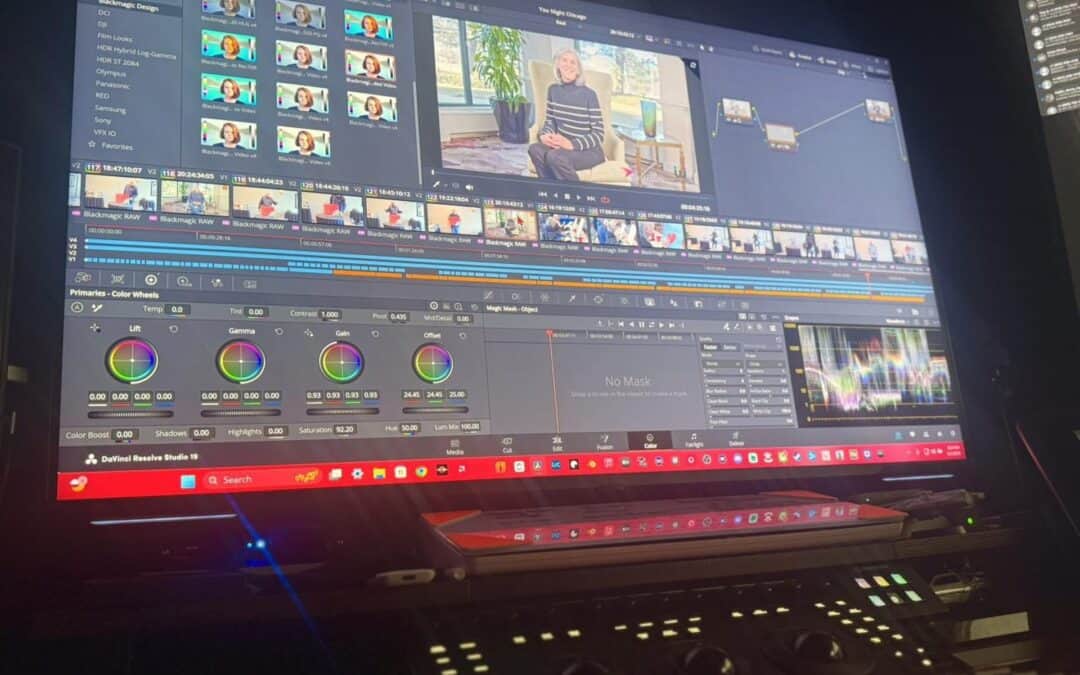
Every polished marketing video is backed by a production journey more layered than it appears. Creative concepts shift, schedules bend, and minor details often carry major weight. Video production, while visually driven, leans heavily on strategy, coordination, and timing. Slate Media Studios emphasizes that many marketing efforts falter not from weak ideas but from unrealistic expectations of how video production truly functions.
1. Overlooked Budget Layers in Video Production
Expenses in video production are often underestimated. Beyond camera rentals and staff fees, costs accumulate through permits, insurance, post-production hours, and necessary technical support. According to the U.S. Bureau of Labor Statistics, editors earn around $70,980 annually, and camera operators average $68,810—excluding freelancers, creative directors, or specialty crew. Projects also frequently absorb extra costs from equipment transport, backup assets, and location insurance.
-
Equipment transport, backup units, and protection coverage raise daily expenses
-
Music rights and stock footage licenses are often billed separately
-
Revisions and unexpected weather delays extend production timelines and increase labor costs
2. Solid Creative Direction Anchors Production
Unclear direction during planning can derail momentum quickly. Pre-production builds the foundation for tone, message, and execution. Loose scripts or disorganized concepts can cause long delays and inflated editing sessions. Slate Media Studios works with teams early to ensure their messaging aligns with production goals, reducing confusion during later phases.
-
Detailed scripts give editors and crew clarity on objectives
-
Brand voice should inform everything from dialogue tone to music selection
-
Visual references align internal and external teams on look and feel
3. Timeline Accuracy Affects Project Stability
Production schedules are rarely as simple as planned. What seems like a one-day shoot can stretch due to lighting setups, audio issues, or talent availability. According to industry estimates, a standard day of commercial production can cost between $25,000 and $60,000, which means any extra day hits budgets hard. Longer editing windows are common and necessary, especially when projects involve animation or revisions.
-
Editing and rendering often extend well beyond filming days
-
Availability of talent, voice actors, or review teams adds complexity
-
Rushing the timeline usually results in more changes after delivery

4. Careful Planning Prevents Shoot Day Surprises
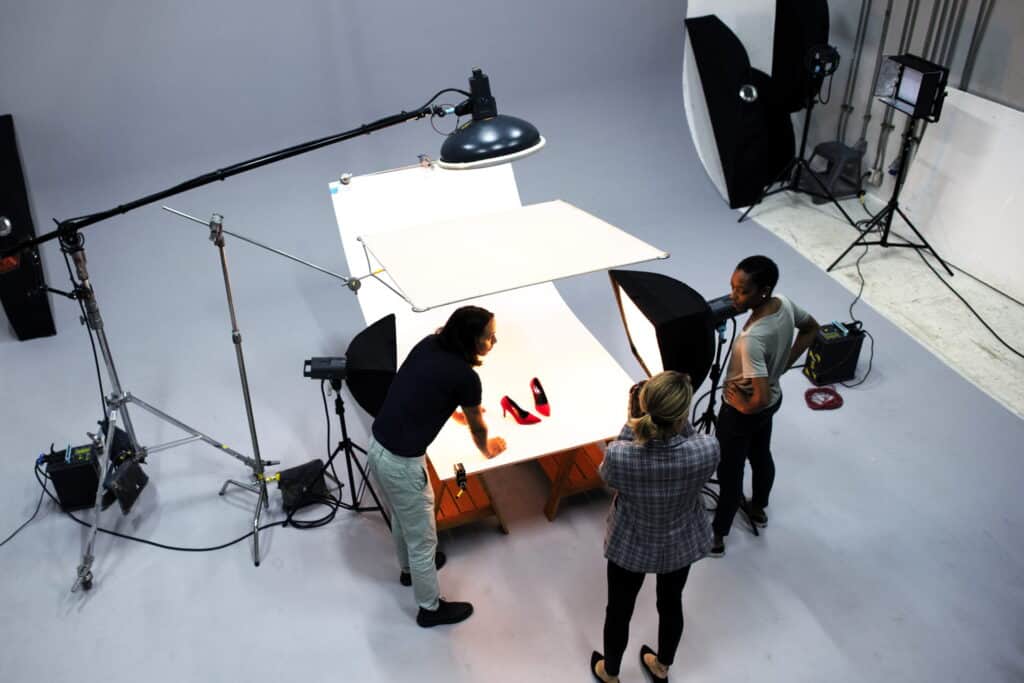
Detailed pre-production prevents costly setbacks. This includes script reviews, weather forecasts, camera tests, and confirming the availability of key crew. According to Videomaker, successful pre-production reduces the likelihood of miscommunication and dropped shots. Slate Media Studios advises clients to conduct scene-by-scene walk-throughs to flag production obstacles early.
-
Permit delays and logistical access can halt location-based filming
-
Rehearsals with key speakers improve timing and delivery quality
-
Contingency plans help deal with power outages, missed deliveries, or tech failures
5. Sound and Lighting Are Critical Engagement Tools
Audiences are more sensitive to poor sound and lighting than marketers assume. Overexposure, underexposed subjects, or unbalanced audio levels can distract or confuse viewers. Data from Nielsen suggests viewers often judge production value based on how clean and clear a video sounds and looks. Slate Media Studios recommends full tech checks the day before any major production shoot.
-
Professional lighting minimizes shadow artifacts and enhances skin tone
-
Audio levels should match platform standards—what works on YouTube may fail on Instagram
-
Natural lighting setups must be balanced with artificial light to maintain consistency across scenes
6. Editing Shapes the Entire Viewing Experience
Post-production isn’t just about cutting clips—it’s where the story is truly formed. Editors manage transitions, timing, visual effects, sound design, and formatting for different platforms. The U.S. Bureau of Labor Statistics lists editing as one of the most technically demanding and creatively nuanced roles in media. Slate Media Studios encourages marketers to allow room for experimentation during this phase, as strong edits often evolve from unexpected insights.
-
Multiple edits may be required for YouTube, TikTok, and paid ads
-
Color grading ensures visual tone aligns with brand aesthetics
-
Subtitles and alternate audio versions may be needed for accessibility and global reach
7. Clear Expectations Prevent Workflow Breakdown
Most project friction results from unclear or changing expectations. Vague approvals, shifting creative inputs, and delays in stakeholder decisions force teams to backtrack. Slate Media Studios recommends that teams finalize creative direction before any production begins and assign a single decision-maker to streamline approvals and edits.
-
Finalizing mood boards, sample cuts, and pacing early prevents rework
-
Assigning one creative lead avoids conflicting directions from multiple stakeholders
-
Clear revision limits and delivery stages reduce time lost in repeated cycles
Key Takeaways From 7 Video Production Realities Every Marketer Must Grasp
-
Budgets must account for labor, licenses, insurance, and contingency spending
-
Strong pre-production gives the team a visual and strategic roadmap
-
Timelines need flexibility for revision rounds and feedback
-
Audio and lighting shape user trust more than design alone
-
Editing determines emotional pacing, not just clip order
-
Planning, rehearsals, and scouting prevent last-minute failure
-
Defined feedback channels speed up production and avoid drift
Frequently Asked Questions
1. Why do production budgets grow unexpectedly?
Permits, equipment insurance, reshoots, and talent extensions often add thousands to mid-project totals.
2. How long does a typical branded video project take from start to finish?
On average, 4 to 7 weeks depending on concept depth, revisions, and production complexity.
3. Is it possible to shoot and edit in the same week?
Only with a streamlined concept, short duration, and minimal post-production—otherwise, rushed work sacrifices quality.
4. What role does lighting play in audience trust?
Lighting affects how polished and intentional a video looks; poor lighting makes even great ideas seem amateur.
5. Why is assigning a single point of contact important?
Too many voices in the review process slow down decisions and create conflicting directions for the production team.

Louisiana News Post provides expert advice on home and garden services like gardening, landscaping, hardscaping, renovating, remodeling, roofing, HVAC, and interior design to help readers create their dream spaces. Their practical tips and creative solutions are inspired by years of hands-on experience and a commitment to affordable living. Whether you’re a seasoned handyman or just starting to explore home improvement, Louisiana News Post’s articles are a reliable resource for innovative ideas and detailed guidance.