
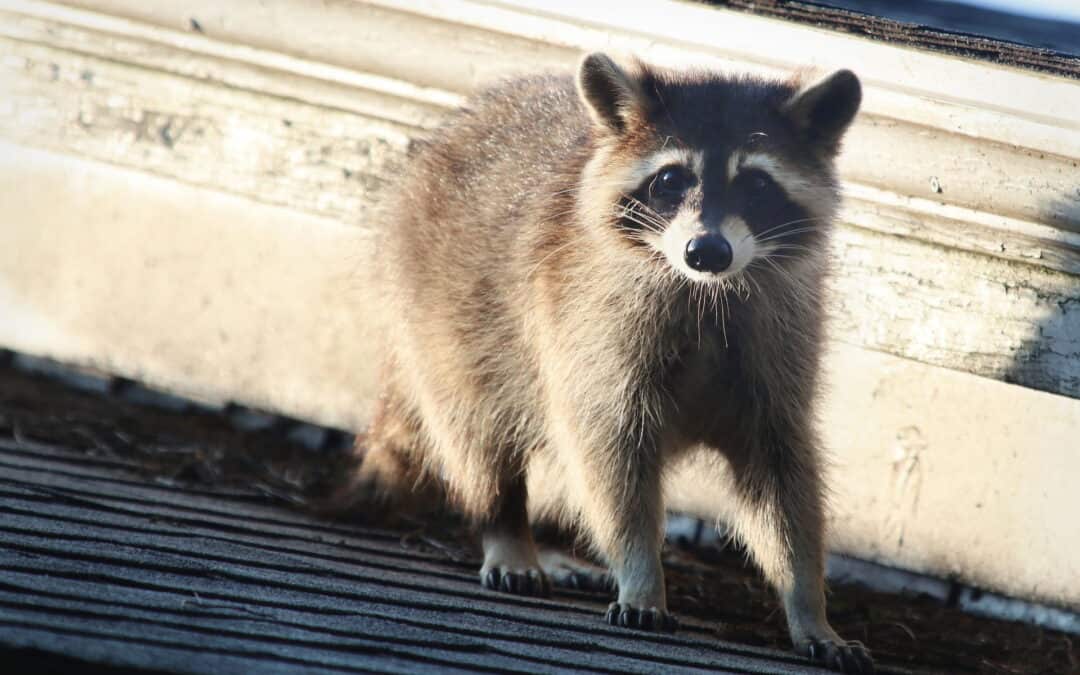
Persistent wildlife problems can frustrate even the most prepared homeowners. Loud scurrying in walls, shredded insulation, or strange odors often signal returning intruders. Short-term efforts like traps or temporary patches usually fall short. It’s important to contact a professional animal control service. “Sealing up a hole won’t solve anything if you leave scent trails or ignore hidden access points,” says Slidell Animal Control. Their specialists rely on long-lasting strategies to block, repel, and monitor wildlife activity from every angle.
1. Reliable Wildlife Exclusion Techniques
Blocking wildlife from reentering starts with sealing every inch of the structure. Experts identify weak areas like eaves, foundation gaps, and utility lines where animals squeeze through. Slidell Animal Control applies steel mesh, industrial-grade sealants, and hardware cloth that hold up under pressure. Careful exclusion minimizes the chance of re-entry and reduces long-term maintenance.
- Rodents can slip through holes as small as 1/4 inch, according to the CDC.
- Common entry points include attic vents, roof returns, and loose siding.
- Professional exclusion often lowers future infestation risks by over 80%.
2. Humane One Way Exit Devices
Getting animals out without trapping them inside takes finesse. One-way exit devices allow wildlife to leave but make it impossible to return. These tools are especially useful for bat colonies and raccoon families nesting in attics or chimneys. Slidell Animal Control custom-fits these devices to each situation and confirms removal with follow-up checks.
- These exits close automatically once animals leave their nest site.
- Used with infrared cameras, they help verify full removal without harm.
- States regulate when certain species, like bats, can be legally evicted.
3. Strategic Habitat Modification Plans
Altering the space around a home discourages animals from returning. Overgrown bushes, unsecured trash bins, and standing water offer both shelter and food. Slidell Animal Control evaluates yards, sheds, and storage areas to reduce appeal. Property modifications are paired with seasonal maintenance to reinforce the impact.
- Studies by the USDA show trimming vegetation reduces nesting spots for raccoons and skunks.
- Proper trash management helps lower rodent sightings by up to 50% in urban areas.
- Removing clutter and closing off crawlspaces keeps curious animals out.
4. Long-Lasting Scent and Sound Repellents
Professionally applied deterrents combine predator odors and ultrasonic sound to unsettle wildlife. These methods interrupt familiar routines and discourage nesting. Slidell Animal Control layers deterrents based on species, using motion sensors or weatherproof systems to maintain coverage. Consistent change in pattern keeps animals from adapting.
- Predator urine sprays are effective when rotated every few weeks.
- Sound repellents cover a wide frequency range undetectable to humans.
- Pairing scent and sound often increases success with stubborn species.
5. Scheduled Wildlife Monitoring Systems
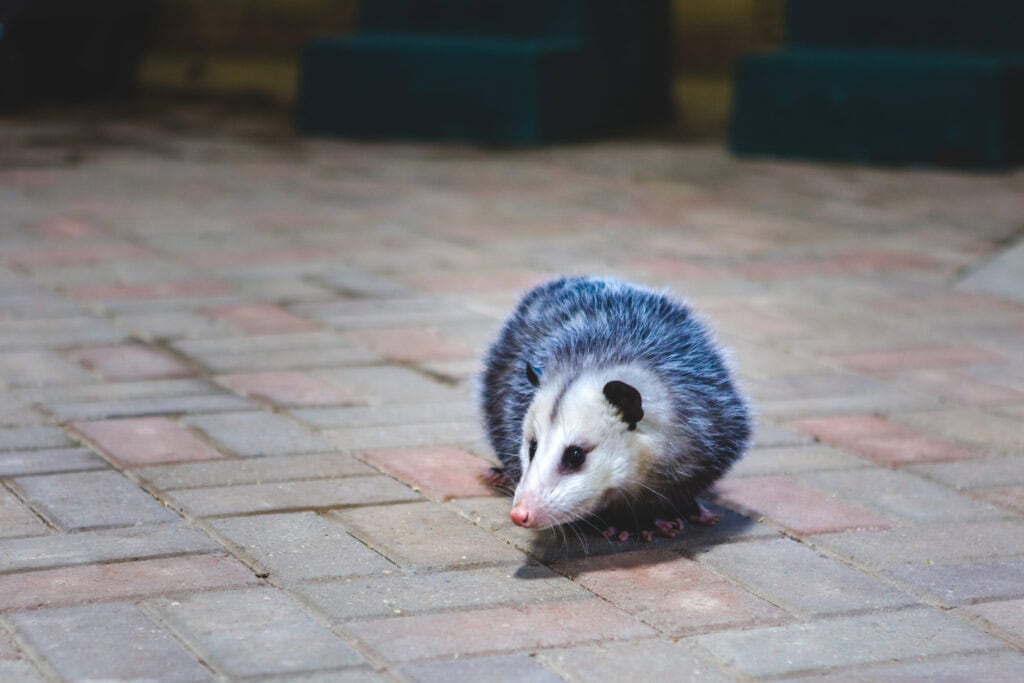
Surveillance ensures unwanted guests aren’t quietly sneaking back. Slidell Animal Control installs discreet cameras and motion-triggered lights near vulnerable zones. These tools alert teams and property owners to new signs of wildlife activity before the situation escalates. Tracking patterns helps prevent major damage early on.
- Thermal and motion-activated cams detect animals even at night.
- Visual data helps professionals refine exclusion and deterrent zones.
- Quarterly inspections align with seasonal behavior shifts in local wildlife.
6. Deep Cleaning and Nest Site Sanitation
Removing all traces of old nests is critical. Even if the area is sealed, leftover scents can lure animals back. Slidell Animal Control sanitizes infested spaces using safe disinfectants that neutralize pheromones, bacteria, and droppings. This step protects both the home and its occupants from lingering pathogens.
- According to the CDC, raccoon latrines may carry parasitic roundworms that survive for years.
- Urine and feces buildup attracts new animals looking for shelter.
- Cleaning after exclusion helps preserve indoor air quality and structural integrity.
7. Homeowner Awareness and Prevention Tips
Knowledge plays a key role in avoiding future wildlife visits. Slidell Animal Control educates clients on how to recognize early warning signs, maintain outdoor cleanliness, and inspect for seasonal vulnerabilities. Small habit changes—like storing pet food indoors—can make a big difference. Informed homeowners support long-term wildlife prevention efforts.
- Annual roof and crawlspace checks catch new damage or weak spots early.
- Simple steps like elevating firewood and clearing gutters prevent hiding spots.
- Neighborhood awareness helps reduce local wildlife attraction zones.
Wildlife Control Strategies
Preventing animals from returning takes more than removing them once. It requires consistent protection, thorough cleaning, and smart property management. Every layer of prevention supports the next—from physical blockades to environmental changes to education. Slidell Animal Control builds plans that work across seasons, property types, and species. Their integrated approach brings measurable results, especially when paired with homeowner engagement.
Key Takeaways for 7 Proven Methods Animal Control Uses to Keep Wildlife from Coming Back
- Secure all access points with durable, animal-proof materials.
- Install species-specific one-way exits for humane removal.
- Modify the landscape to reduce food and shelter options.
- Use rotating deterrents to disrupt animal routines.
- Monitor regularly with cameras and visual checks.
- Sanitize nest areas to eliminate attraction scents and pathogens.
- Stay alert and proactive with seasonal home inspections and habit adjustments.
Frequently Asked Questions
- Why is exclusion more effective than traps?
Exclusion prevents future access, while traps only address current intruders. - What happens if one-way exits are left too long?
They may confuse returning wildlife or even trap them outside before young are old enough to leave. - Can landscape changes really keep wildlife away?
Yes—animals look for easy food and shelter, so a clean, open space discourages nesting. - How often should cameras and deterrents be checked?
Monthly checks or seasonal reviews help maintain their effectiveness and catch issues early. - What cleaning products are safe for wildlife nests?
EPA-registered enzyme cleaners break down organic material without toxic residues.

Louisiana News Post provides expert advice on home and garden services like gardening, landscaping, hardscaping, renovating, remodeling, roofing, HVAC, and interior design to help readers create their dream spaces. Their practical tips and creative solutions are inspired by years of hands-on experience and a commitment to affordable living. Whether you’re a seasoned handyman or just starting to explore home improvement, Louisiana News Post’s articles are a reliable resource for innovative ideas and detailed guidance.